
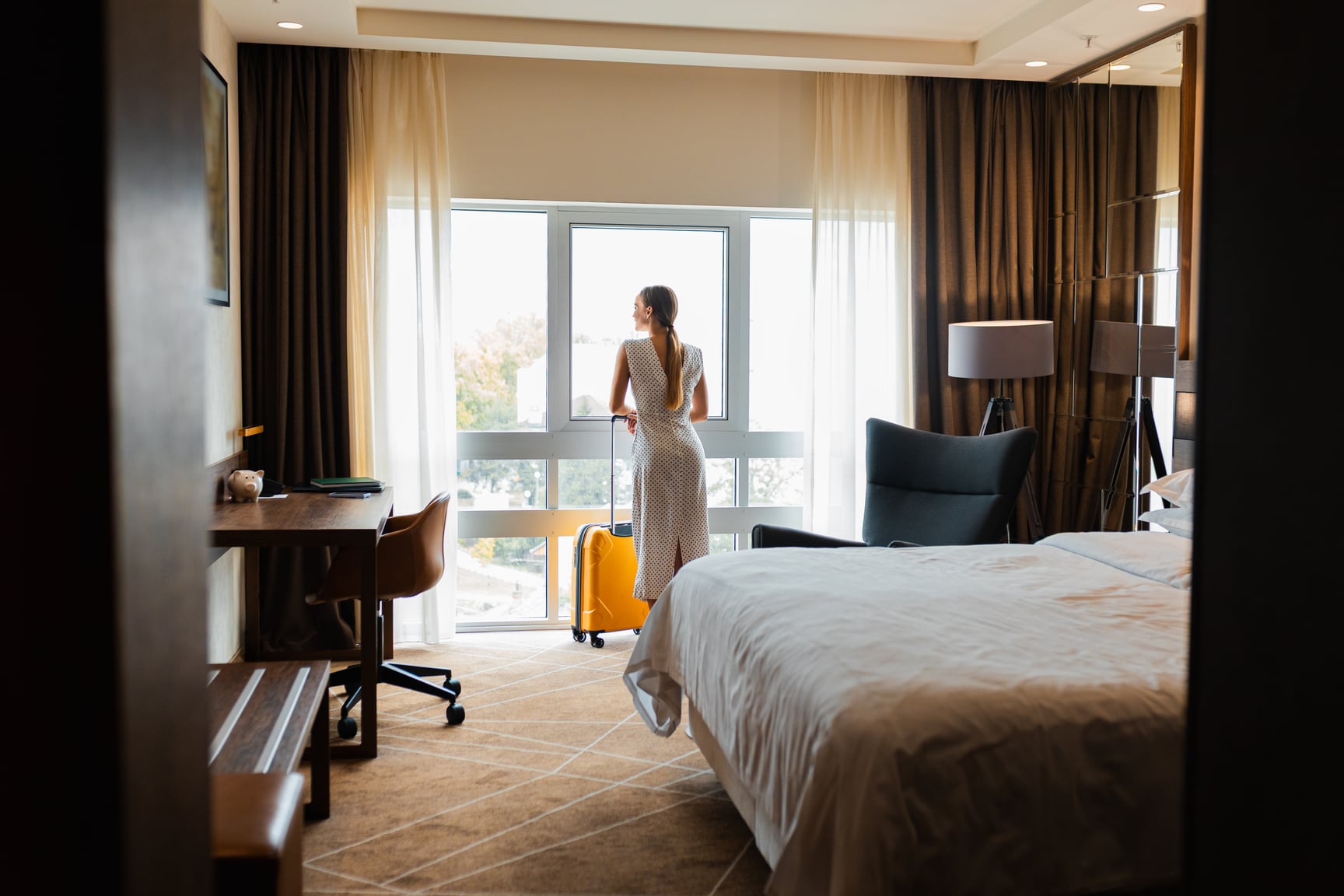
A hotel in Utah can be a roadside property near a canyon trailhead, a ski-town lodge with a boot room and a hot tub, a downtown hotel beside a convention hall, or a small independent inn in a farming town. The insurance questions change with the place, but the shape of the work stays the same: guests, staff, a building, a bar or a kitchen in some cases, and a vehicle or two. This page is a thin one, and we say so at the start.
The Utah legislature’s statute pages returned a script shell when our research asked for them, and the one printable copy we tried returned only a short notice. So we have no statute text to quote, and we do not guess at it. What follows is a plain description of how a Utah hotel is exposed, how each of the six coverages maps to that exposure, and the questions an owner should put to an agent or an attorney. The hotel insurance page describes the program as a whole.
What this page rests on and what it leaves open
Insurance pages for a state often lead with the law. This one cannot, and it is better to be direct about it than to fill the space with rules from memory. We did not establish a lodging license route for Utah hotels. That sentence is a statement about our research, not about Utah: it means we could not read the text that would answer the question, and so we say neither that a license is required nor that it is not.
The same is true of the rest of the legal frame. We did not find a Utah civil server-liability statute in the text we read, and we did not confirm whether Utah workers’ compensation is compulsory for a hotel. We did not find an employee count in the text we read, and the current minimum liability limit is not confirmed in our research. No regulator is named on this page, because our records name none that we read for this state.
Treat every one of those as an open item to close with a licensed agent and, where a statute matters, with counsel who can read the current code. The sections below do the part we can do honestly: they describe how a hotel is exposed, which coverage answers which exposure, and what to gather before asking for a quote.
A hotel is a place people arrive tired and unfamiliar
Guests do not know your building. They arrive after a long drive, a late flight or a day on a trail, they carry bags, and they walk through corridors, stairwells and parking areas they have not seen. That unfamiliarity is the core of the premises exposure. A guest on a dim stair, a child near a pool gate, a visitor who steps from a heated lobby onto a wet walk: each is an ordinary hotel claim, and none depends on what a statute says about licensing.
Utah properties add their own backdrop without needing any statistic to describe it. A property near a trailhead sees boots, mud and gear carried through the lobby. A lodge in a snowy town has icy entries, shoveling crews and roof loads to think about. A desert-edge hotel has heat on the pool deck and sun on metal handrails. A city hotel has a busy garage and a street door at all hours. Each of these changes what an underwriter asks and what an inspector, a lender or a franchisor wants to see.
General liability is the policy built for these claims. It responds when a guest or a visitor says the hotel caused bodily injury or property damage on the premises, and it is the coverage a franchise agreement or a lender will name first. Its wording decides how a given fall, a given pool incident or a given dispute is handled, so it is worth reading the exclusions with the agent before the policy starts, not after a claim is filed.
Outdoor gear, shared amenities and the places claims start
Lodging near outdoor recreation has a particular set of shared spaces. Think of the boot room, the ski locker, the gear drying rack, the bike storage cage, the hot tub with its deck and the fire pit on the patio. Each one invites a small, specific kind of claim: a slip on a wet floor where gear drips, a burn at a fire feature, a bicycle stolen from a cage the hotel said was secure, a hot tub used by a guest who should not have been in it.
Policies describe the premises and the operations, not the amenities one by one, so the useful step is a walk through the property with a notepad before a quote is requested. List every shared space, every piece of equipment you own or lend, and every activity you host or sell. If the hotel rents a bicycle, lends a sled or sells a guided outing through a partner, say so, because an operation the application left out is the one an insurer is likely to question later.
The building, the contents and the days a hotel cannot open
A hotel’s building is often the largest asset the owner holds, and its contents are specialized: beds, linens, televisions, kitchen equipment, laundry machines, and the lobby furniture that sets the tone for a stay. Property insurance covers the building and that business personal property against the causes of loss the policy names, and it can add coverage for the income lost while rooms cannot be sold after a covered loss.
Two details deserve attention. First, how the building is valued: an owner who bought a hotel years ago and has made improvements since should ask whether the amount on the policy tracks what it would take to rebuild today. Second, what the policy says about the causes of loss that affect lodging in this part of the country: heavy snow on a roof, wind through a canyon, a burst pipe in a cold snap, a fire in a kitchen or a laundry. Ask which of those are covered, which carry a separate deductible and which are excluded.
Business income deserves its own conversation. A hotel without rooms to sell has payroll, loan payments and a franchise fee that keep arriving. The question for the agent is how long the policy will pay, how it measures the loss, and what waiting period applies before payment begins. A hotel that closes after a fire in the kitchen wing has a different loss than one that closes entirely, and the policy should be read with both cases in mind.
Staff, shifts and the injuries a hotel actually sees
A hotel’s employees do physical work. Housekeepers lift mattresses, push carts and reach into tubs. Maintenance staff climb ladders, change light fixtures and enter mechanical rooms. Kitchen staff handle knives, hot oil and wet floors. Front desk staff are exposed to the risks of a late shift. Laundry workers deal with heat and heavy loads. Workers’ compensation is the policy that responds to a work injury, whoever was at fault.
On the legal side, we did not confirm whether Utah workers’ compensation is compulsory for a hotel, and we did not find an employee count in the text we read. How that requirement is proven is not confirmed in our research, and which kinds of insurer may write the policy is not confirmed in our research. We state none of these as a rule. The safe course is simple: before the first employee starts, ask the agent in writing what Utah requires of a hotel with your payroll, and keep the answer in the file.
Two other points are open in the same way. How the policy treats an owner is not confirmed in our research for Utah, and we did not find a rule on whether the state runs a fund of its own. An owner who also works the desk or covers a housekeeping shift should ask directly how the owner is treated, because an owner’s own injury is a real possibility and the policy’s wording decides whether it is covered.
Contractors, seasonal crews and who counts as staff
Hotels use outside businesses constantly: a laundry service, a landscaping crew, a snow-removal contractor, a pool service, an elevator technician, a roofer, a pest control visit. How those workers are classified matters, because a workers’ compensation audit can treat an uninsured contractor’s worker as the hotel’s own. We did not retrieve an independent-contractor test for Utah, and so we state none.
What a hotel can control is its paperwork. Ask each outside business for a certificate showing its own workers’ compensation and liability coverage, keep the certificate current, and keep a written agreement that says who is responsible for what. A contractor who works on the roof or in the pool equipment room is exposed to serious injury, and a certificate that expired last spring protects no one this season.
Serving drinks and hosting events
Plenty of hotels run a lobby bar, a restaurant with a wine list or a ballroom that serves at weddings and conferences. Alcohol service raises a distinct exposure: a guest or an event attendee who drinks and then injures himself, another guest or someone on the road. We did not find a Utah civil server-liability statute in the text we read, so this page states no rule about who is liable or to what extent.
That gap is itself a reason to look at liquor liability. The coverage exists for claims that arise from serving or selling alcohol, and general liability policies often carve those claims out. A hotel that serves should ask the agent whether the liquor exposure is covered, by which policy and with what limit, and should not assume the answer. The same question applies to a hotel that only hosts events where an outside caterer pours.
Event contracts carry weight here. A caterer, a bartender service or a wedding company that brings its own license and insurance should supply a certificate before the event, and the contract should say who is responsible for what. A hotel that rents its ballroom and lets a client pour from a private bar has handed away control of the service, and its policy should be asked how that arrangement is treated.
Vehicles, shuttles and staff errands
A hotel may own a van for airport pickups or a trailhead shuttle, a truck for maintenance, a golf cart for a sprawling lot or a small bus for tours. Commercial auto insurance covers the liability that arises from vehicles the business owns or uses. The current minimum liability limit is not confirmed in our research, so no amount appears on this page; the figure that applies to your vehicles is a question for the agent.
The vehicle a hotel does not own can matter as much. A night clerk who drives a personal car to the bank, a manager who picks up supplies, a housekeeper sent to buy a part: each creates a possible claim against the hotel when the trip is made for the hotel. A hired and non-owned auto endorsement addresses that exposure, and it is worth asking about even when the hotel owns no vehicle at all.
The claim that is bigger than the policy
A serious injury at a hotel can produce a claim larger than a primary liability limit. A fall that leaves a guest unable to work, a shuttle collision with several passengers, or a fire that spreads from the hotel to a neighbor can each reach past the basic policies. Umbrella insurance sits above general liability, auto and employer liability and extends their limits when a claim exceeds them.
The practical questions are which underlying policies the umbrella sits over, what it excludes and whether the limits on those underlying policies meet the umbrella’s requirements. A mismatch can leave a gap: an umbrella that expects a certain underlying limit and finds a smaller one leaves the hotel to cover the difference. Ask the agent to lay the policies side by side and confirm that each sits where the umbrella expects it.
Pulling the six coverages together for one property
It helps to see each policy against a single day at the hotel. A guest slips in the lobby: general liability. A pipe bursts over the kitchen and closes half the rooms: property insurance, with the lost income. A housekeeper hurts her back moving a bed: workers’ compensation. The shuttle is rear-ended on its way from the trailhead: commercial auto. A wedding guest leaves the ballroom and causes a crash: liquor liability. A claim from the shuttle crash exceeds the limit: umbrella.
No single policy answers all of those, and each has edges. The work of a good program is to make the edges meet, so that a claim does not fall between two policies that each assumed the other would take it. Ask the agent to walk through a few realistic days at your property, and to say which policy responds, which deductible applies and what the policy would not pay.
Documents to gather before asking for a quote
A quote request goes faster and comes back more accurate when the paperwork is ready. Gather the deed or lease, the franchise agreement if there is one, the loan documents, the latest inspection reports for the pool, the kitchen and the elevators, and the safety records for the fire alarm and sprinkler systems. Gather a plain description of every amenity and every event the hotel hosts.
Gather payroll information by job type, a list of the outside businesses that work on the property and their certificates, and a list of the vehicles and the people who drive them. If the hotel serves alcohol, gather the service policy and the training records for the staff who serve. If the hotel has had claims in the past, gather the loss history, with a short note on what was changed afterward.
A new owner’s list for a Utah hotel
If you are opening a hotel, start with the local authority for the city or county where it will stand, and ask what approvals it requires before guests arrive. We cannot say from our research what those approvals are, so ask rather than assume. Ask the lender and the franchisor what coverages and limits they expect. Ask the agent to bind the program in your name before the first night, because a gap on opening day is a gap in the worst place.
If you are buying a hotel, the seller’s policies were written for the seller. Ask the agent about the loss history that comes with the property, ask what an inspector found at the last visit, and ask whether any approvals held by the seller transfer or must be applied for again. We did not establish how a Utah transfer works, so confirm it locally and in writing before the closing.
What this Utah page can offer without a statute text
Every legal point on this page is a stated gap. The two statute chapters our research tried, the alcohol liability chapter and the workers’ compensation chapter, returned a script shell, and a printable copy of one section returned only a short notice about a superseded version. We saved no document we could quote, so the page quotes nothing, and the links below are labeled as pages we tried, not as sources for a rule.
This page is reread when a readable copy of the current Utah code becomes available. Until then, use it for what it does well: it describes how a hotel in Utah is exposed, how the six coverages map to that exposure and what to ask the agent. For the legal points, ask a licensed agent in your own market and, where a statute decides the outcome, an attorney who has read the current text.