
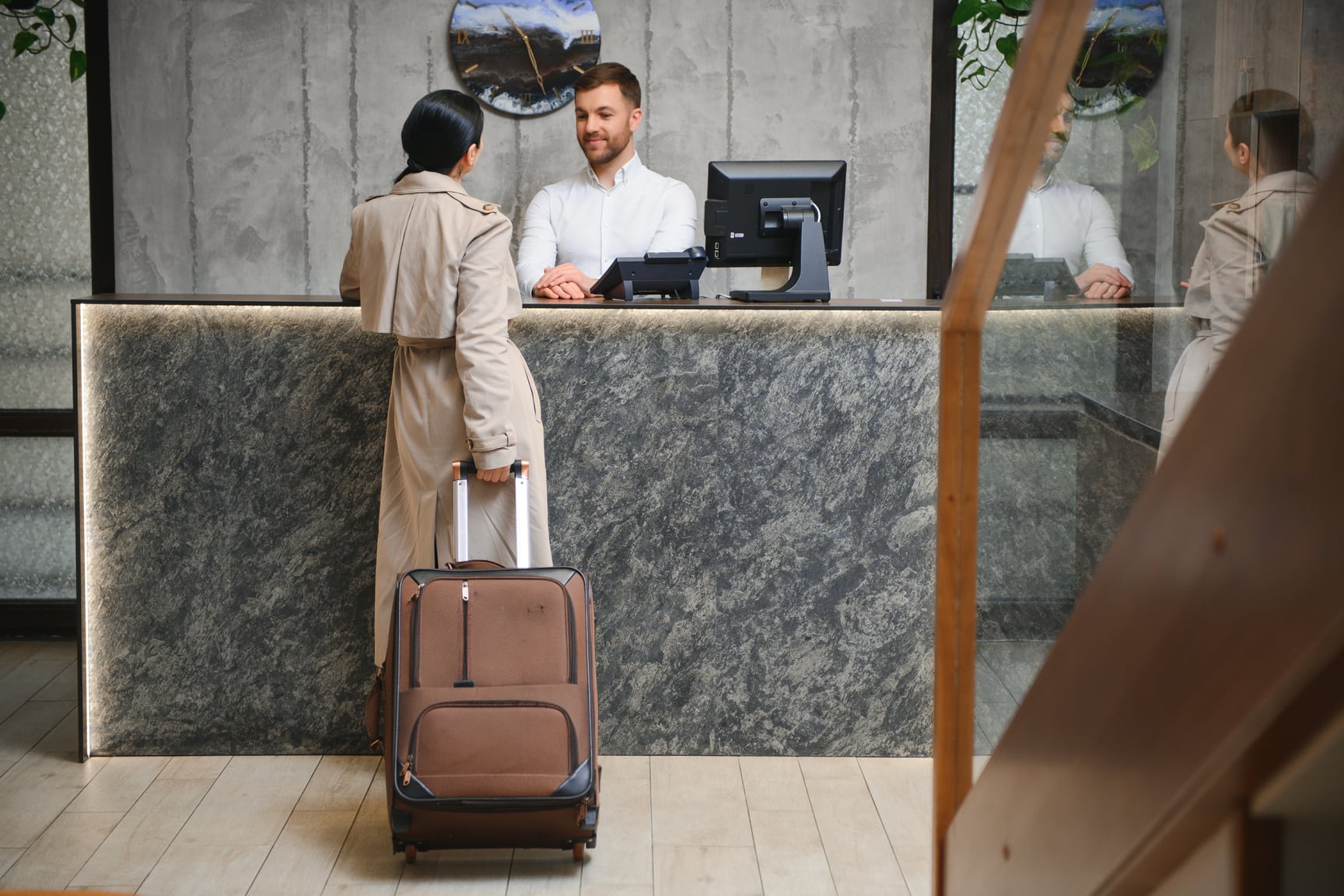
An owner looking for hotel insurance in Mississippi wants two things at once: a clear picture of what the program has to protect, and a clear picture of what the state requires. This page is strongest on the first and honest about the limits of the second. The statute text for Mississippi sat behind a commercial publisher gateway that this research does not use, and the legislature’s own code address returned a not-found page, so no statute was read. What we have is one state agency guide to the workers’ compensation law, and everything legal below rests on that guide or is marked as open.
That shapes how to read the page. The hotel insurance page describes the whole program for an independent property, a franchise flag or a family-run inn. This page stays on Mississippi: the kinds of buildings an owner there runs, the guests and staff they carry, how six coverages meet that picture, and the questions to put to an agent because we could not close them ourselves.
The license question, left open on purpose
We did not retrieve a state or local license for hotels in Mississippi. The research went to the legislature’s code address and to a commercial gateway, and neither could be used, so the question of whether a hotel needs a license, from whom, and on what terms is simply not answered here. Neither direction gets a guess from us. A page that says a license is required could send an owner chasing a form that does not exist, and a page that says none is needed could leave an owner exposed on opening day.
What an owner can do is ask in three places before the first guest arrives. The city or county office that handles business permits knows what it expects of a building that rents rooms. The agencies that oversee food service and alcohol know what a hotel restaurant, bar or banquet kitchen must hold. And the fire marshal or building official for the property knows the life-safety side. None of those answers changes what insurance does, but each tends to produce a document, an inspection report or a license number, that an underwriter will ask to see.
For the insurance file, keep the paperwork together: any permit the locality issued, the latest inspection reports for the kitchen, the pool and the elevators, and the certificate of occupancy for each building. If a lender or a franchisor is involved, they will ask for the same papers, so one folder serves three audiences.
What a Mississippi hotel actually holds
A hotel is a building people sleep in, eat in and gather in, run by a staff that works around the clock. That is true in Mississippi as anywhere, and the kinds of property differ more than the label suggests. A highway property near an interstate exit fills with drivers who arrive late and leave early. A hotel near a university fills in waves around game days, graduations and move-in weekends. A historic inn in a river town is a building with old wiring, steep stairs and a kitchen that may be older than the codes. A coastal resort adds pools, boardwalk access and wind. A small independent hotel in a county seat may host reunions, wedding parties, choir tours and visiting work crews in the same month.
Each of those pictures raises a different first question for an underwriter. Highway properties draw questions about lighting, key control and the parking lot. University hotels draw questions about event nights, alcohol at the bar and the crowd on a big weekend. Historic buildings draw questions about the wiring, the sprinklers and the age of the roof. Coastal and riverside hotels draw questions about wind, water and what happens to the lobby floor after a storm. A good submission answers the question before it is asked, with a short description of how the property is run and what has been done to look after it.
The lead claim in the hotel business is a guest hurt on the premises: a slip on a wet entry, a fall on stairs, an injury at the pool, a guest made ill by the breakfast service, a dispute in the parking lot. Those land on general liability, and the policy wording, not any rule on this page, decides how each is handled. The rest of the program is built around that core.
Pouring drinks and hosting events in Mississippi
A hotel bar, a restaurant with a wine list, a rooftop lounge or a ballroom that hosts a rehearsal dinner all put the hotel in the business of serving alcohol, even if only a few evenings a month. We did not find a civil server-liability statute in the text we read. That is a statement about our reading, not about Mississippi law: the statute pages were unreachable, so the question of whether and how the state allows a claim against a server who over-serves is open, and this page states no rule either way.
The practical point is that the answer should not hang on that gap. A hotel that serves alcohol should ask its agent two direct questions. First, does the general liability policy exclude liquor-related claims, and in what words? Second, would a stand-alone liquor liability policy respond to a claim from a third person, such as a driver hurt on the road or a guest hurt in a fight on the premises, after drinks were served on the property? The answers come from policy language and from the facts of the hotel, not from this page.
A written service policy helps whatever the law turns out to say. So does staff training, a log of refusals, an agreement on who checks identification at events, and a plan for guests who should not drive. Events add a layer: a caterer or an outside bartender in your ballroom may bring a license and a policy of their own, or may work under yours, and the event contract is where that is settled. Ask for the caterer’s certificate before the event, and read what your contract asks the host to carry.
Putting the payroll under a Mississippi compensation policy
The guide we read describes workers’ compensation in Mississippi as compulsory, and says the Act requires coverage once an employer regularly has a stated number of workers. We treat that as dated: it comes from an agency guide that paraphrases the Act, not from the statute, and the guide is an older edition. For that reason we print no headcount and no year. An owner with a small staff should not read the absence of a number as a safe harbor; the right move is to ask an agent for the current threshold and to count part-time and seasonal staff in the answer.
The commission that administers the system is the Mississippi Workers’ Compensation Commission, and the guide is the document the research relied on to say so. Read plainly, a hotel with a real payroll should plan on carrying the policy rather than hoping it falls under the line. Housekeepers, front desk staff, night auditors, maintenance workers, kitchen staff and banquet servers are the roles where injuries cluster: lifting, slipping, cutting and repetitive motion. The workers’ compensation page explains how the policy itself works for a hotel staff.
Three more points are open in our reading. We did not confirm whether an owner or a partner who works at the property may be covered by its own staff policy; the guide’s wording on owners was not found in a passage we could search. We did not establish what form of insurer the state accepts for workers’ compensation, so this page makes no claim about private carriers, self-insurance or a state arrangement. And we did not find a state fund named in the sources we read, which is a gap and not a finding that none exists.
The one point on contractors is narrower still. The guide says that among the things analyzed in telling an independent contractor from an employee is “whether or not the employer has the right to control the work activities of the” (the state agency guide). It adds that this is one of several things analyzed, and the research did not find a full test. A hotel that uses a valet company, a staffing agency for housekeeping or a handyman on call should look at who sets the hours, who supplies the tools and who directs the work, and then ask the agent how those workers are counted before assuming they sit outside the policy.
Vans, valets and hotel vehicles on the road
A hotel that runs a shuttle to an airport or a stadium, keeps a maintenance truck, or sends a staff member to the bank in a hotel car has vehicles, and vehicles carry their own rules. The state’s required auto liability limits were not confirmed in our research, so no amount appears on this page. The current figure is a question for the agent, and for a vehicle that carries guests it is a floor, not a target: a lender, a franchisor or a corporate client will often ask for more than the state does.
A commercial auto policy is the home for the shuttle and the owned vehicles. Two exposures sit outside the obvious. Staff who run errands in their own cars bring the hotel’s liability into play when they do so on hotel business, and a hired and non-owned auto endorsement is the way to ask about it. And a valet stand puts guests’ vehicles in the hotel’s custody, which is a question for the garage and property wording, not only for auto. When a guest is hurt boarding the van, both an auto question and a premises question may be raised, so the two policies should be read side by side.
Heat, storms and the building itself
The state’s climate is a fact of life for a property owner, and we describe it without a statistic. A coastal hotel faces wind and surge; an inland hotel faces strong storms, falling limbs and the occasional flood; a long, warm season puts stress on air conditioning, roofs and swimming pools. None of that is a prevalence claim, and none of it is on this page to alarm anyone. It is here because the property insurance policy is the one that has to be matched to the building and to what the weather does to it.
The questions that matter are concrete. Is the building insured to the cost of rebuilding it, or to an older figure? How does the policy treat wind and water, and are there separate deductibles for named storms or for flood? What does it say about the income the hotel loses while rooms are closed after a loss? Are the furnishings, linens, kitchen equipment and signage scheduled? Does an annex, a pool house or a detached banquet building appear on the list? The answers should match the way the hotel is actually built and run.
A few habits help at renewal. Photograph the property each year, keep the roof and mechanical service records, and write down any improvement to the wiring, the plumbing or the sprinklers. Underwriters rate what they can see, and an owner who can show maintenance is describing a different risk from one who cannot.
How the six policies meet a Mississippi property
General liability carries the premises claims: the wet entry, the pool deck, the breakfast room, the parking lot. Property insurance covers the building and its contents, with lost income as a part to ask about. Workers’ compensation covers the staff, and the open points above are the ones to settle. Commercial auto follows the shuttle and any hotel vehicle. Liquor liability follows the bar, the restaurant and the ballroom. An umbrella adds a layer above the primary policies when a franchise agreement, a lender or the owner wants more protection than the base limits give.
The program works as a set, and the seams between policies are where owners are caught. A guest hurt at a function may implicate the bar, the premises and the event contract at once. A fire may involve the building, the lost income and the staff who cannot work. A storm may close the property while payroll continues. Reading the policies together, with an agent who knows the hotel, is how those seams are found before a claim finds them.
Contracts and certificates that shape the program
Some of what a hotel program must show comes from documents the owner signed. A franchise agreement may name coverages, set minimum limits and ask to be named on the policy. A lender will want its interest recorded and the building insured to value. A wedding planner, a team coordinator or a corporate client reserving a block of rooms may ask for a certificate naming their company before the deposit clears. A shuttle contract, a laundry contract or a pest-control contract may ask for coverage in the other direction, from the hotel to the vendor.
Collect those documents before the quote request goes out. Each one is a line the certificate has to satisfy, and an agent who has them in hand can build the program around them instead of discovering them at the closing table. When a certificate request arrives from a client, send it to the agent the same day; a missed wording on an additional insured is easier to fix before the event than after it.
What this page rests on, and what stays unread
This page leans on a single agency guide, and it says so. Every legal statement above comes from that guide or is a stated gap: the lodging license, the rule for serving alcohol, the owner option, the insurer class, a state fund and the auto limits. None of them is a finding that a rule does not exist. If the research is reopened with a readable official source for the Mississippi Code, those points can be read and replaced with statute text and citations.
Until then, treat this page as orientation and not as a legal opinion. Laws change, an agency’s answer to your own facts outranks anything written here, and the review date at the top of the page moves only when the sources are read again. When the insurance side is the question, a licensed agent is the person to ask, and the facts they need are short: where the property stands, what it offers, the size of the staff, and what vehicles and events it runs.