
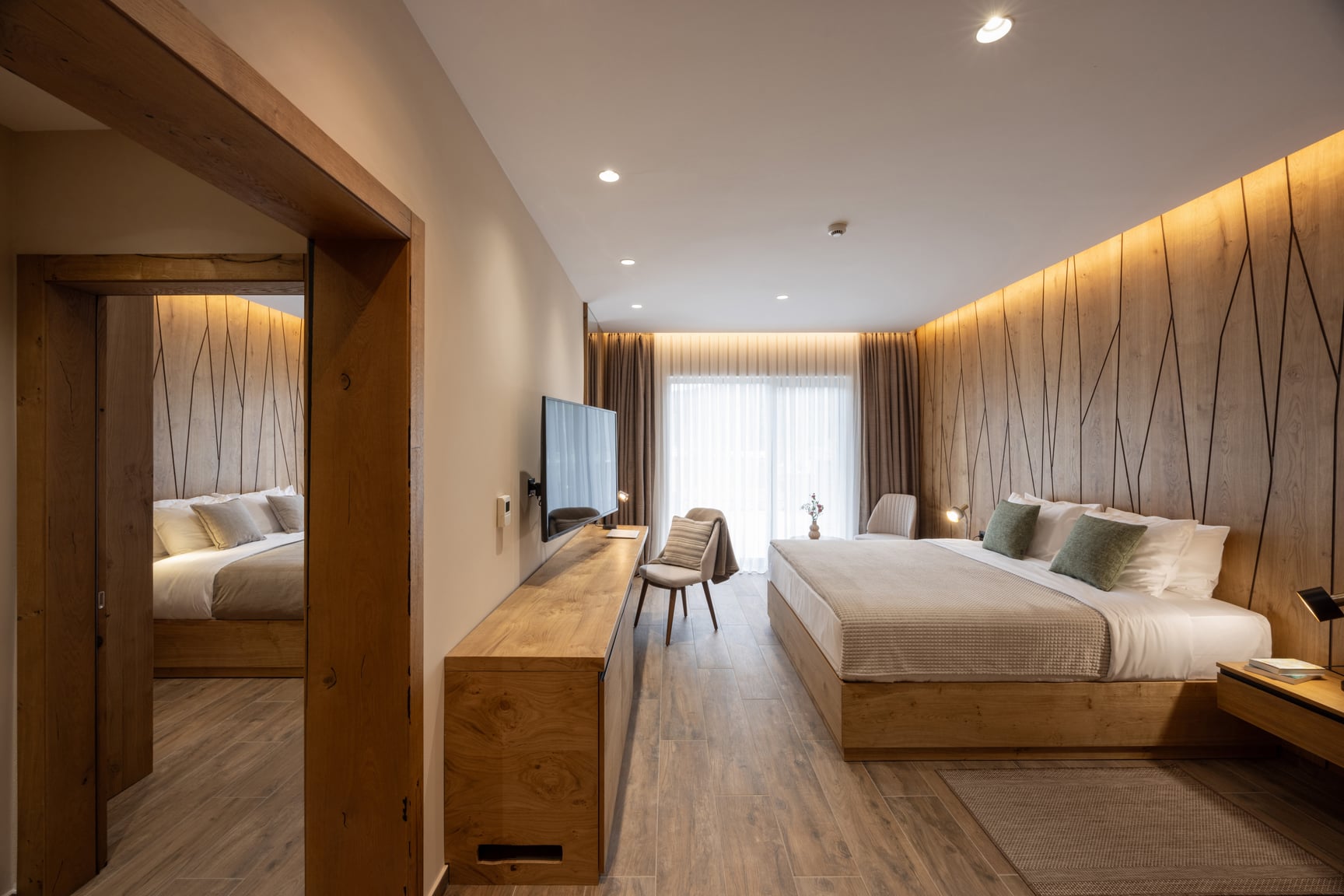
Hotel insurance in Alabama is the same program an owner builds anywhere: a liability policy for what happens to guests, a property policy for the building and what is in it, workers’ compensation for the staff, auto for the vehicles, an umbrella for the claim that grows past the primary limits, and liquor liability where the hotel serves alcohol. What changes from one state to the next is the legal frame around those policies, and this page is candid about the fact that for Alabama we could not read that frame.
The hotel insurance page describes the whole program. This page stays on Alabama and divides its content into two kinds. The state-law points, such as licensing, alcohol service, workers’ compensation and the auto minimum, are stated as open questions, each marked in place. The hotel content, meaning how a property is exposed and how each coverage fits it, does not depend on a statute and is written out in full.
The Alabama text we could not open
The research for this page tried the Code of Alabama on both of its hosts. The legislature’s current statute pages returned a script shell instead of readable text, and the older statute host returned no response at all. Each was tried again with the same result. An attempt through an agency site for alcohol regulation also returned nothing. The only state page that did load was the workers’ compensation page of the Alabama Department of Labor, and it is the only state source listed at the foot of this page.
That page is a landing page for claimants and employers, not a statute. It tells a reader that the department has a workers’ compensation division, and it points to forms, a claims process and an employer section. It does not give the rule an employer must follow, so nothing below rests on it except the plain fact that the division exists.
The practical result is simple. Where a sentence below would have stated an Alabama legal rule, it states a gap instead, in words such as not confirmed in our research or we did not find. A gap is not a finding that nothing is required. It means only that this page did not read the answer, and that a licensed agent or the agency itself should be asked before an owner relies on it.
Lodging licenses: a question left open
Whether Alabama requires a state or local lodging license for a hotel is not confirmed in our research. The record for this page holds no license route and no statement that none exists, and we do not fill that space with a guess in either direction. A hotel owner who is opening a property, buying one or taking over a franchise should ask the city or county that governs the site what it requires, and should ask early, because a license question can hold up an opening date.
The question touches insurance from two directions. First, a lender or a franchisor often wants proof that the hotel holds whatever credential the place requires, and the same proof is likely to turn up in an underwriting file. Second, the way a license describes the premises, by address and by operating name, is worth matching to the way the property schedule describes them. A mismatch between a license, a deed and a policy is a small thing that becomes a large one when a claim arrives.
For a change of ownership the same logic holds. A buyer should ask whether any credential stays with the building or the operator, and should not assume the answer from a different state or from the seller’s habits. Until that is answered, the insurance program for a sale should be built around what the hotel does, not around what a document might say.
The lobby bar, the banquet hall and the rule we did not read
A hotel may serve alcohol: a lobby bar, a restaurant with a license, a welcome reception, a wedding or a reunion in the banquet room. We did not find a civil server-liability statute in the text we read, and so this page states no rule on when a hotel that serves alcohol answers for what a guest does afterward. That is a gap in our reading, not a statement that Alabama has no such rule.
The insurance question does not depend on settling the law first. A general liability form often carries an exclusion for liability that arises from selling, serving or furnishing alcohol, and where a hotel has a bar or hosts events with a cash or open bar, liquor liability is the policy written for that exposure. The sensible order is to read the exclusion in the general liability form, decide whether the hotel serves alcohol itself or lets a caterer do it under its own cover, and then ask the agent how the program should respond to each arrangement.
Event contracts deserve a closer look. A hotel that hosts an outside party, such as a wedding planner or a company holding a dinner, can ask the host to carry its own liquor cover and to name the hotel on it. Whether that is worth requiring depends on how the event is run, who pours, who checks identification and who ends service. Those are operating questions, and an underwriter will ask about them whatever Alabama’s statute says.
Guest injuries on the property
The lead claim type for a hotel is a guest hurt on the premises, and it does not wait for a statute. A fall on a wet lobby floor after a summer storm, a slip on a pool deck, a trip on a curb at the porte-cochere, a bed that collapses, an elevator that stops short, a guest struck in the parking lot: each begins as a bodily injury claim, and each lands on general liability. The policy’s insuring agreement, its exclusions and its limits decide the answer, not the guest’s opinion or the owner’s.
Underwriters read a hotel’s liability exposure through its operations. They ask whether the property has interior corridors or exterior walkways, whether rooms open to the outdoors, how the pool is fenced and supervised, whether there is a fitness room or a hot tub, whether the property runs a shuttle, and how the staff records incidents. A hotel that can show inspection logs, a written incident procedure and prompt repairs is a better risk than one that cannot, and the same records help in a claim.
Guest property is the second liability question. A guest who loses a laptop from a room, a car from a lot or a bag from the luggage room may expect the hotel to answer. Whether a general liability form responds to damage to property in the hotel’s care depends on its wording, and some forms carve it out. A hotel that offers valet parking, a luggage room or a safe should ask its agent whether the form addresses care, custody and control, and whether a separate coverage is worth carrying.
A hotel also answers for the people it lets in. A contractor who hurts a guest while repairing a roof, a security guard who uses force in a dispute, a rideshare driver who is struck at the entrance: these claims reach the hotel through the same policy. The hotel’s contracts with contractors, its certificate requirements and its own vendor list shape what the policy has to absorb, which is why a program review includes the paperwork as well as the building.
The building and what is in it
A hotel owner often owns the building the business operates in, and the building is the largest asset on the schedule. Property insurance covers the structure, the fixtures and the business personal property inside it: furniture, linens, kitchen equipment, televisions, the lobby’s fittings and the front-desk systems. The questions that matter are the valuation basis, the causes of loss that are covered or excluded, the deductible structure and the extent to which a hotel can keep trading while a repair is made.
Alabama hotels meet weather that tests a roof, a facade and a drainage plan. Summer thunderstorms bring wind and hail, a tropical system can reach the Gulf side with surge and rain, and winter can bring an ice event that strains power and pipes. We state those as plain description, not as a measure of how often any of it happens, because the page does not read a weather source. What matters for the program is that deductibles for wind, hail or named storms may be set separately from the main deductible, and an owner should know the number before the season, not after.
Flood is a separate subject. Standard property forms often leave out rising water, and a hotel in a low-lying or coastal setting should ask the agent whether flood cover is available and how it is arranged. The same goes for earthquake, sewer backup and equipment breakdown. A property schedule that is accurate on the address, the construction, the age of the roof and the protection of the building gives the underwriter what it needs and avoids a dispute at claim time.
Business income deserves its own conversation. A hotel that cannot rent rooms because a fire or a storm has closed part of the building loses revenue while the fixed costs continue. Business income and extra expense cover is written to answer that loss, and its waiting period and its limit should be set against how long a realistic repair would take. A hotel with a banquet business or a restaurant should include those revenue lines in the estimate.
Staff injuries and the workers’ compensation gaps
A hotel runs on shifts: housekeepers lifting mattresses and pushing carts, a kitchen with knives and hot surfaces, a maintenance lead on ladders and roofs, a night auditor working alone, bellhops and drivers moving luggage and vehicles. Workers’ compensation is the coverage for the medical cost and lost wages of an injury at work. The Alabama Department of Labor has a workers’ compensation division, and its fetched page is listed in the sources below.
We did not establish whether Alabama makes workers’ compensation compulsory for a hotel employer. The way an employer proves coverage is not confirmed in our research, and neither is which classes of insurer may write the policy in Alabama. We did not find any employee-count trigger in the sections we read, so this page does not say how small an employer must be before the duty begins, or whether it begins at all.
More points are open. Whether an Alabama hotel owner may be brought under the policy is not confirmed in our research, and that matters to an owner who works the front desk, runs the breakfast service or does the repairs, because an owner’s own injury at work is a common source of surprise. We did not find a state fund named in the sections we read, so we do not state whether a hotel buys from a private insurer, a fund or both. We did not retrieve a test for telling an employee from an independent contractor in Alabama.
The contractor question is a real one for hotels. A landscaper, a pool service, a laundry vendor or a seasonal crew may be treated as independent, and the way the hotel documents that relationship can matter when someone is hurt. Until an agent confirms the Alabama test, the safest course is to collect certificates of insurance from every outside crew and to ask the agent how the policy audit treats uninsured subcontractors. Those steps are simple and answer the question before it is asked.
Vehicles on and off the property
A hotel often owns more vehicles than its owner remembers: an airport shuttle, a golf cart on the grounds, a maintenance truck, a van that runs to the supplier. Commercial auto is the policy for them. A general liability form often excludes owned vehicles, so a collision that involves the shuttle is a question for the auto policy, and the hotel should be sure that every vehicle and every regular driver is on it.
The current minimum liability limit for an Alabama vehicle is not confirmed in our research, and this page prints no amount. A state minimum is a floor, not a recommendation. A shuttle that carries guests exposes the hotel to a bodily injury claim that can exceed a floor quickly, so the limit should be chosen from the hotel’s own exposure, with an umbrella above it. The agent can supply the minimum in force today and the limit we would suggest looking at beyond it.
Valet and employee-owned vehicles are the less obvious parts. A hotel that parks guests’ cars can be responsible for damage while a car is in its care, and a driver who uses a personal vehicle for hotel errands can create a claim against the hotel. Written driver rules, a motor vehicle record check for regular drivers and a clear policy on personal vehicles are the controls that an underwriter looks for.
When a claim outgrows the primary limits
A serious injury at a hotel can be expensive. A guest who falls from a balcony, a fire in an occupied corridor, a crash involving the shuttle, a pool incident or an incident after a banquet can produce a claim that exceeds the limit on any single primary policy. Umbrella insurance sits above the underlying general liability, auto and liquor limits and responds when one of them is exhausted, subject to the umbrella’s own terms.
The umbrella is only as useful as its schedule. It follows the forms listed as underlying, so a hotel should check that the general liability, the auto and the liquor policies are all named, and that their limits meet whatever the umbrella requires. A gap between the underlying policy and the umbrella is a place where a claim can fall through. A hotel with a pool, a banquet room, a bar and a shuttle has good reason to look closely.
Limits are chosen by the owner, not set by this page. A hotel with a lender, a franchise agreement or a management contract may be required to carry a stated limit, and a hotel that hosts large events or has a large room count may want more than a contract demands. The right conversation is about the largest realistic loss at the property, who would pay for it and what would be left of the business afterward.
The documents that set their own requirements
Some insurance requirements for an Alabama hotel come from nowhere near a statute. A loan agreement can set the property limit, the deductible and the cause-of-loss form. A franchise agreement can require named coverages, minimum limits and a certificate naming the franchisor. A management contract can assign who buys which policy. A group-sales or event contract can ask the hotel for proof of insurance, and a tenant of the retail space off the lobby can be asked for the same in return.
These documents are worth reading before a renewal and before a quote request. An owner who knows what each one demands can ask for a program that meets all of them, instead of finding out from a lender’s letter that an endorsement is missing. The additional insured wording, the waiver of subrogation and the notice-of-cancellation terms are the usual details, and the agent can compare each against the policy.
A short folder helps: the loan covenants, the franchise insurance schedule, the management agreement, the current declarations pages and a list of the vehicles and drivers. With those in hand, an agent can tell an owner which requirements are met and which Alabama points on this page remain open for confirmation: licensing, alcohol liability, workers’ compensation and the auto minimum.