
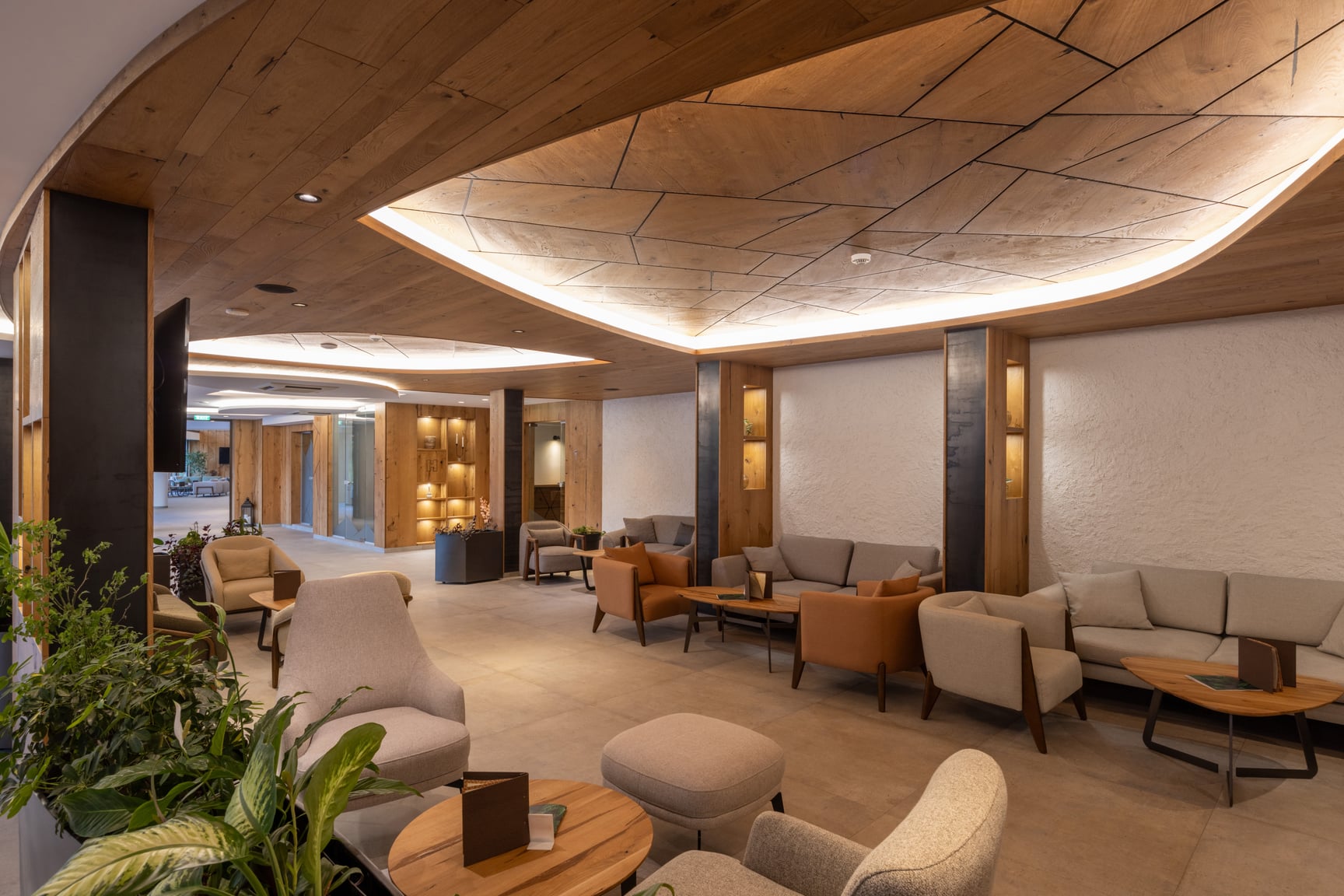
A Chicago hotel bar needs liquor liability written beside its general liability: hotel general liability with property ranges from $1,500–$3,000+ a year, and an entire program for a larger property can run $2,500–$5,000+ a year, ranges Nate Jones, CPCU, has verified. Liquor liability is quoted on top, and a busy bar weighs heavily in it.
Chicago hotels pour a lot of alcohol. Lobby bars host after-work crowds, rooftop lounges fill on summer nights and ballrooms serve wedding and convention receptions. Each of those is a place where an overserved guest can be hurt or hurt someone else. This guide explains how the coverage works. Our liquor liability page covers the policy in full, and the state notes we keep are on our Illinois hotel insurance page.
Why general liability is not enough
General liability answers when a guest slips on the bar floor or a fixture falls. But general liability policies commonly exclude claims arising from selling or serving alcohol when the insured is in that business, and a hotel with a bar is. Without liquor liability, a claim that a bartender overserved a guest who then fell, fought or drove could fall outside the program entirely.
Liquor liability is written to answer those claims, including the defense, which in alcohol cases can be long and costly. It should be quoted alongside general liability so the definitions and limits line up and the two carriers are not arguing over which policy applies. The Insurance Information Institute’s overview of commercial general liability explains what the general policy is built to do.
Illinois law and why it matters to the limit
Illinois has its own law on when an alcohol seller can be held responsible for injuries caused by an intoxicated person. Our Illinois research could not read the statute text from the state’s website, so we do not summarize its terms here. Ask your agent and your attorney how it applies to your bar.
What matters for insurance is that a state with its own liability rules for alcohol sellers is a state where a serious claim can reach the hotel. That argues for a liquor limit set with care and an umbrella policy that lists liquor liability as an underlying policy. An umbrella that sits only over general liability and auto leaves the largest bar claims uncovered.
Rooftops, crowds and late nights
A rooftop lounge adds height, crowds and a late close. Underwriters ask about railings, occupancy limits, security staff, how the line is managed and when service stops. A lobby bar that becomes a neighborhood spot raises questions about outside patrons who are not guests and may not be known to staff.
Describe the bar honestly: hours, seating, the share of sales from alcohol, whether there is a cover or a line, and how security works on the busiest nights. A bar described accurately is priced on what it is; a bar described vaguely is priced on what it might be.
Real-World Scenario: A Chicago hotel’s rooftop lounge stays busy late on a summer Saturday. A patron who is not a hotel guest is served several drinks, leaves and causes a crash on the way home. The injured driver sues the hotel, claiming the patron was visibly intoxicated when served. The hotel’s liquor liability policy defends the claim, and the bar’s training records, point-of-sale timeline and incident notes become central evidence. Because the umbrella listed liquor liability as underlying coverage, the hotel also has limit above the primary policy if the claim grows.
Banquets, weddings and conventions
Ballroom receptions pour alcohol at volume over a few hours, often from open bars. If the hotel serves, its own liquor liability responds, and the carrier needs to know how much banquet service you do. If an outside caterer or bartending company serves, require its certificate showing liquor liability and naming the hotel as an additional insured, and keep the certificate on file before the event starts.
Event contracts commonly ask the hotel for certificates and additional insured status as well. Our guide to Las Vegas hotel insurance requirements walks through how event contracts set insurance terms.
Staff training and service routines
The single most persuasive thing a hotel bar can show an underwriter is control over service. That means certified responsible-service training for every bartender and server, a written policy on checking identification and cutting off service, a way for staff to call for help, an incident log and a manager on duty during the busiest hours.
The National Institute on Alcohol Abuse and Alcoholism publishes plain information on how alcohol affects judgment and coordination, useful material for training. Training also protects staff, because a bartender who knows how to cut off service calmly is less likely to be hurt in the conversation. Our workers’ compensation page covers staff injuries.
Setting the limits
There is no single right liquor liability limit. It depends on the bar’s size and sales, the events, the lender’s and franchisor’s requirements and how much the hotel has at stake. Lenders and management agreements commonly set a minimum. An umbrella is usually the efficient way to add limit above it.
When comparing quotes, check the per-occurrence and aggregate limits, whether defense costs reduce the limit, any assault and battery exclusion, and whether employees are covered as insureds. The NAIC’s insurance topics explain these terms in plain language.
Assault, security and the late shift
Bars are where arguments start, and a hotel bar is no exception. Liquor liability and general liability policies can limit or exclude claims arising from assault and battery, which means a fight in the bar or the lobby could fall outside the program unless the coverage is added back. Ask your agent how your policies treat assault and battery and what limit applies if it is included.
Security routines matter as much as the policy. Trained staff who can spot trouble early, a manager on duty during the busiest hours, cameras covering the bar and its entrances, and a clear procedure for removing a patron calmly all reduce the risk. An incident log that records what happened and how staff responded is evidence that protects the hotel in a claim. The Insurance Information Institute’s overview of general liability explains how the general policy approaches these claims.
Licensing, inspections and the record
A Chicago hotel bar operates under state and local liquor licensing, and the license comes with rules on hours, identification and service. Violations can lead to fines, suspensions and evidence that shows up later in a liability claim. Keep the license current, train staff on the rules and keep records of training and any inspections.
The same records support the insurance program. An underwriter reading a clean licensing history, training certificates and a short incident log sees a bar that is managed carefully. Keep them together and update them at every renewal. If a claim is filed, those documents show that the bar followed the rules on the night in question, which is often what decides how the claim goes.
Winter, sidewalks and guests leaving the bar
Chicago winters add a premises dimension to every bar claim. A guest who has been drinking and slips on an icy sidewalk outside the entrance may bring a claim that names both the hotel’s premises and its alcohol service. The policies that respond, general liability and liquor liability, need to work together, which is easier when they are written with the same carrier or reviewed together by your agent.
Sidewalk and entrance maintenance belongs in the same file as bar training. A written snow and ice routine for the sidewalk and entrance, with a log of when it was cleared and treated, mats inside the door, and lighting at the entrance all help. Some city rules place sidewalk clearing duties on adjoining property owners, and your attorney can confirm how they apply. For insurance, the point is that a bar claim on a winter night is often also a premises claim, and both sides of it should be defended by documents you already keep.
Putting the bar into the program
A hotel bar submission should include the bar’s hours and seating, alcohol sales as a share of total sales, banquet volume, training records, security routines, incident history and the contracts that set limits. The SBA’s business insurance guide is a helpful primer. For a boutique hotel with a destination bar, see our Nashville boutique hotel guide. When your file is ready, request a quote.