
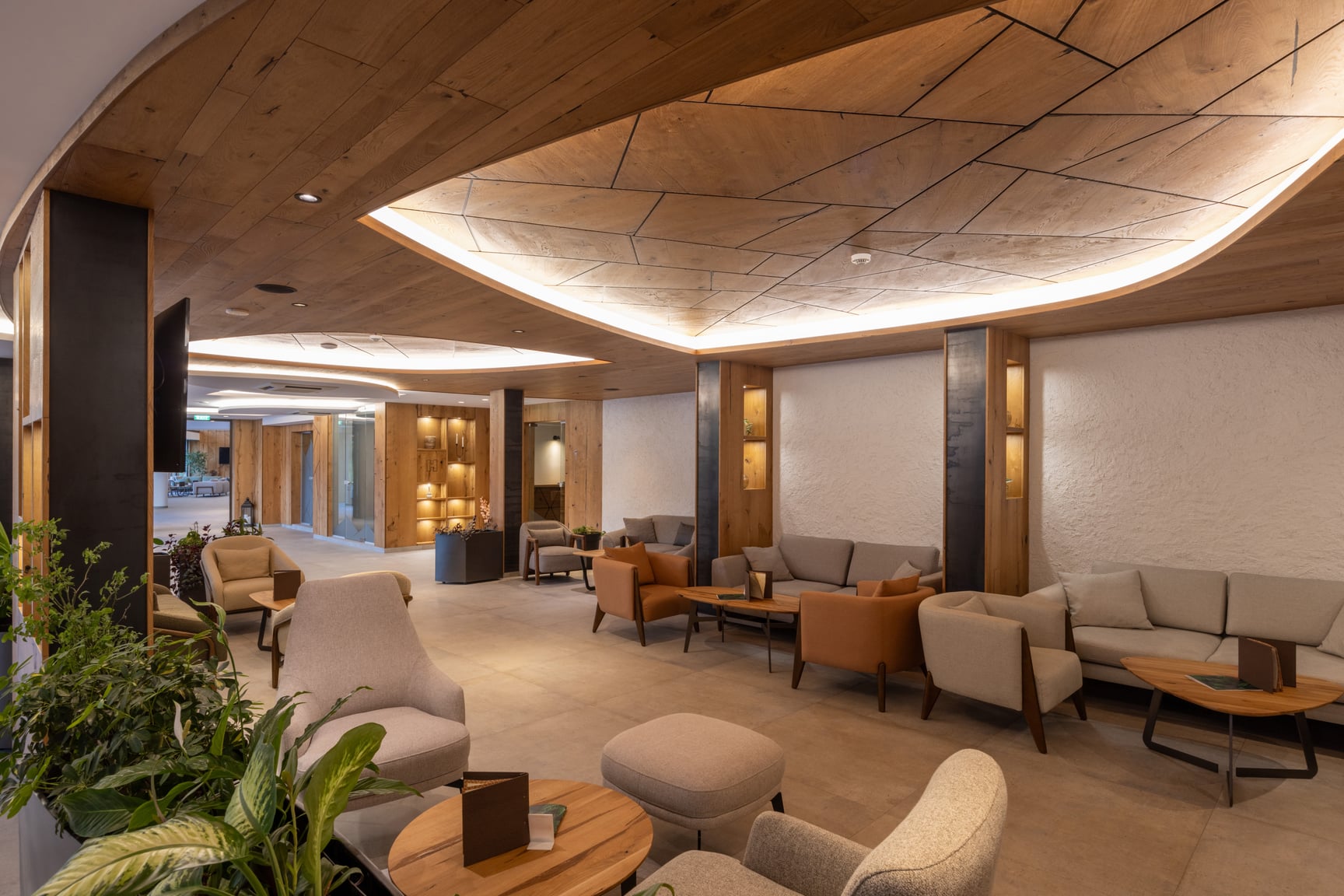
Hotel insurance in Pennsylvania is built from two kinds of material: the legal conditions a hotel operates under, and the physical and human exposures it carries every day. For this state, our research reached only a little of the first kind. The legislature’s statute pages refused our requests, so we read two agency pages instead, one from the labor department about workers’ compensation and one from the liquor board about a licensee’s liability. Everything we say about the law on this page comes from those two pages, and everything else is stated as a gap.
That makes this a thinner page on the law than a page for a state whose statutes we could read, and a fuller page on the long tail of questions a Pennsylvania hotel owner brings to a first call: the guest who slips, the kitchen fire, the banquet that serves alcohol, the shuttle van, the seasonal crew, the lender’s checklist. The hotel insurance page describes the whole program, and the coverage pages linked below go deeper on each policy. Here each policy is set against a Pennsylvania property, and we say plainly where the state’s rules are still an open question for us.
Where our Pennsylvania research stopped
The method was simple. We looked for the primary text of the statutes that govern lodging licenses, alcohol service, workers’ compensation and motor vehicle liability, and we saved each document we could read so every quotation could be checked word for word. The statute hosts for this state returned an access-denied page to our requests, so no statute text was read. What we saved was the labor department’s employer page and the liquor board’s FAQ on liability for accidents.
Those two documents are agency writing, not legislation, and an agency page can compress or lag the law. So the page treats them as pointers. We quote them where they say something plain, we link to them so you can read the same words, and for every other question, such as a hotel license, an employee-count threshold, an owner’s option, the independent-contractor test and the auto limits, we say we did not establish the point. A stated gap is not a finding that nothing applies. It means our research did not reach the answer, and a licensed agent or the agency itself should be asked.
Hotel licensing: a point we did not establish
We did not establish whether Pennsylvania requires a hotel to hold a lodging license, who would issue it, or whether a local government has a role. Our research did not retrieve a statute or an ordinance on the subject, and the agency pages we read do not address it. We therefore say neither that a license is required nor that it is not, and we do not name an issuer.
What an owner can do about it is practical. Ask the municipality where the hotel stands what it requires to receive guests, ask the franchisor, if there is one, what its brand standards say about permits on file, and ask the lender what evidence of operating authority it wants in the loan file. Whatever the answers are, they affect insurance in a familiar way: the application and the property schedule should describe the same legal entity, the same address and the same operation that the paperwork describes. A mismatch between a permit and a policy is the kind of detail that surfaces at claim time, not at binding.
What a Pennsylvania hotel is exposed to, before any statute
A hotel is a building that invites strangers in, feeds them, houses them overnight and sometimes serves them alcohol. The exposures follow from that, and they are much the same in a roadside property near a highway interchange as in a historic inn on a town square. General liability is the coverage that answers the claim of a guest or visitor hurt on the premises: a fall on a wet entry mat, a slip on an icy walkway, a stair rail that gives way, a guest burned by a coffee urn at the breakfast bar, a child injured at the pool or the playground, a visitor struck in the parking lot.
Pennsylvania’s landscape shapes the pattern without any statute. A hotel in a river valley has a basement and a lower lot that water can reach; a hotel on a ridge deals with wind and long, steep drives that ice over; a property in a college town fills for a weekend and empties after, which changes how large the staff on shift is and how large the guest count is unfamiliar with the building. A hotel near a lake or a ski area, or one that serves hunters and anglers in season, carries its own mix of equipment, vehicles and late arrivals. None of that is a legal rule. It is the ordinary reason an underwriter asks where the building is, what is near it and how it is used.
Liquor service and what the board’s FAQ says
A hotel that pours drinks in a lounge, a restaurant or a banquet room operates in the territory of the Pennsylvania Liquor Control Board, and one of its pages bears directly on liability. The board’s FAQ on liability for accidents says that “the Liquor Code provides that no licensee shall be liable to third person on account of” damage done to them off the licensed premises by the licensee’s customers (liquor board FAQ). The FAQ then describes a condition tied to whether the customer was served while visibly intoxicated, and it separates civil liability from the consequences a licensee can face under the Liquor Code itself.
That is as far as we can responsibly go. The FAQ is dated and is an agency paraphrase of the statute, and the statute host refused our fetch, so we did not read the operative section and we state no rule of our own. We did not find, in the text we read, a civil server-liability statute for a guest injured on the premises, and we make no claim about one. A hotel owner who serves alcohol should not treat a paraphrase as a shield; the right question is how the program responds when a claim is made, and that is what liquor liability exists to answer.
Hotels have an unusual mix of drinking settings. The lounge with regular patrons is one; the wedding reception in the ballroom is another, with guests who are strangers to the staff; a guest room with a minibar or a rooftop terrace with a cash bar is a third. Each has a different supervision problem, and each belongs in the conversation with the agent. Ask whether the policy covers events run by outside caterers, whether a hired bartender’s own coverage is required by your event contract, and whether liquor claims share a limit with general liability or sit apart.
Staff, seasonal crews and the labor department’s page
Here the record is firmer. The Department of Labor and Industry’s employer page says that “In Pennsylvania, an employer may be excluded from the requirement to insure its workers’ compensation liability only if” (labor department employer page), and it lists the categories, among them federal workers, longshoremen, railroad workers and casual workers whose employment is casual in character and not in the regular course of the business. Read plainly, the page frames coverage as the rule and exclusion as the narrow exception, and it ties the exclusion to every worker the employer has falling into the listed categories.
A hotel’s staff are not in those categories as a matter of course. A front desk clerk, a housekeeper, a line cook, a maintenance worker, a night auditor and a banquet server are the regular course of the hotel’s business. So the practical reading is that a Pennsylvania hotel with employees should plan to carry workers’ compensation, and that any belief that the hotel qualifies for an exclusion should be tested with the labor department and the agent before it is relied upon.
Several questions the page does not settle remain open for us. We did not find an employee-count threshold, so we do not say whether a very small employer is treated differently. We did not confirm whether an owner, partner or officer may elect to be covered; the page mentions executive officers among its exclusions, but we did not quote it or verify it, and the point stays open. We could not confirm what kind of insurer or fund the state uses, because the statute behind it was not read. We did not establish an independent-contractor test, which matters at a hotel that uses contract cleaners, a landscaping company, a laundry service or a maintenance vendor on call.
That last question has a practical answer even without the test. Ask each contractor for its own certificate of coverage before it starts work, keep the certificates on file, and tell the agent which functions are contracted out. An uninsured contractor’s injured worker is a problem that can arrive at the hotel’s door, and the audit of the hotel’s own policy will ask how payroll and subcontractors were counted.
Shuttles, valet vans and the auto limits we cannot print
A hotel that runs an airport or station shuttle, a valet service, a courtesy van for guests who want a restaurant in town or a truck for maintenance has a vehicle exposure that sits outside the building’s policy. The place for it is commercial auto insurance, and the questions are about who drives, which vehicles are owned or leased, whether staff use their own cars on hotel errands and whether guests are carried for free or for a fee.
As for the state’s required minimum limits, our research did not read them. The motor vehicle statute host refused our fetch, the record shows the auto field as unconfirmed, and we print no amount here. The current figure is a question for the agent, who can confirm it from the state’s own text. What we can say without a figure is that the legal minimum is a floor and not a measure of what a hotel ought to carry: a shuttle with a full load of guests is an exposure a minimum limit may not match, which is where umbrella insurance comes in.
Matching each policy to a Pennsylvania property
General liability carries the premises claims already described, from the icy walk to the pool deck. Property insurance covers the owned building and the contents the hotel needs to operate: furniture, kitchen equipment, linens, signage, the front-desk systems and the computer network that holds reservations. Hotel owners often own the building they operate, which makes property the largest asset question on the program, and the building’s age, roof, plumbing and heating systems all bear on how it is written.
Pennsylvania’s older building stock deserves a plain remark. A historic inn with original woodwork and a rebuilt kitchen has different valuation questions from a newer roadside property built on a slab. Ask how the policy values the building if it must be rebuilt, whether code upgrades the municipality would require are addressed, and how the program treats lost income while rooms are out of service. Those are policy-design questions, not statutory ones, and they are better settled before a loss than during one.
Workers’ compensation carries the staff exposure covered above. Commercial auto insurance carries the shuttle, the valet van and the maintenance truck. Umbrella insurance sits on top of the liability and auto policies and extends their limits for a claim large enough to exhaust them, such as a serious injury at the pool or a shuttle collision with several guests aboard. Liquor liability carries the hotel’s service of alcohol, whether at the lounge or a catered function.
Each coverage page goes deeper than this one. On this page, the Pennsylvania text we could read decides only two things: workers’ compensation is the expected program for a hotel with employees, and a liquor board FAQ describes some limits on a licensee’s civil liability. Everything else is a question to settle with the agent, and the conversation goes faster when you arrive with the building’s details in hand.
Paperwork that arrives from lenders, brands and event clients
Much of what a hotel program has to show comes from contracts, not statutes. A franchise agreement may name the coverages, set minimum limits and ask to be added to the policy. A lender will want its interest in the building recorded and may set its own requirements for the property policy. A corporate client that books a block of rooms or a wedding party that rents the ballroom may ask for a certificate showing the hotel’s liability coverage. A management company that runs the hotel for an owner adds another party who may need to be named.
None of those demands comes from the state. Each comes from a document you signed or are about to sign, and the requirement can be read from the document. Gather the franchise agreement, the loan documents and your standard event contract, and send them with the quote request, so the certificate can say what each party needs it to say and the limits are chosen with the contract language in view. If a document asks for a coverage the hotel does not carry, learn that at the start of the process, not on the day of the event.
Questions to bring to the first call
Before you speak to an agent, write down what you know and what you do not. The facts you know are about the hotel: the address, the building’s age and construction, the amenities, the payroll categories, the vehicles and the events. The questions you do not know the answers to are the ones this page left open: whether a hotel license is required where you are, whether an employee-count threshold or an owner’s option applies to your business, what the independent-contractor test looks like, and what the current auto limits are.
For the questions that turn on state law, the agent can confirm from the state’s own sources and the labor department can answer questions about its own rules. For the questions that turn on the hotel, the answers are in your files. Put them together and the program can be built around your property, not around a generic template.
How we handled the gaps on this page
Every legal statement above comes from one of two saved agency pages, quoted word for word and linked at the bottom of the page. Where a question stayed open, a hotel license, an employee-count threshold, an owner’s option, the kind of insurer or fund involved, the independent-contractor test and the auto minimums, the page says we did not establish the point and gives you the practical next step. When our research can read the statutes, this page will be revised to quote them.